Casal dels Infants – Supporting Children and Families for a Better Future – Social inclusion for children is emerging as a critical protective factor for their mental health and long-term wellbeing.
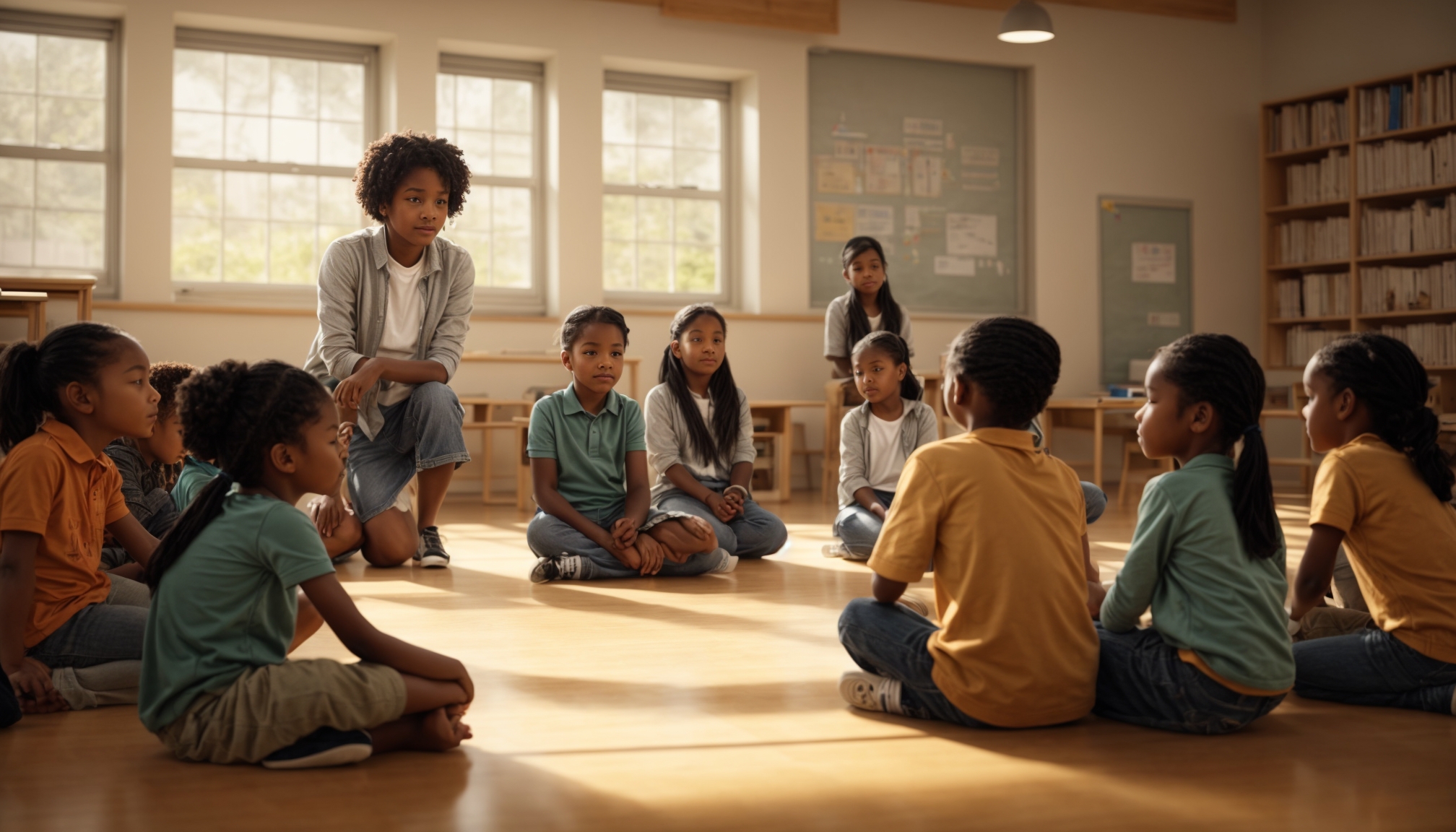
Experts describe social inclusion for children as the experience of feeling accepted, valued, and connected in daily environments. It means children can participate fully at school, in communities, and in peer groups. When inclusion is strong, children feel they belong and their voices matter.
On the other hand, exclusion appears as isolation, rejection, or being consistently left out of activities. This pattern quietly erodes confidence. It also increases the risk of anxiety, depression, and behavioural problems. Because of that, parents and schools must pay attention to subtle signs of withdrawal or loneliness.
Social inclusion for children covers more than friendship. It includes how teachers treat students, how schools handle diversity, and how communities support families. A child with different abilities, language, or background still needs equal chances to join games, discussions, and group projects.
Positive relationships are one of the strongest foundations of mental resilience. When social inclusion for children is prioritised, they develop stronger self-esteem and trust in others. They learn to communicate needs, share emotions, and handle conflict in healthier ways.
Supportive friendships and caring adults help buffer stress from academic pressure, family conflict, or change. As a result, children feel less alone with their worries. They also learn that asking for help is safe and acceptable. This mindset can prevent problems from escalating into crises.
Meanwhile, chronic loneliness can harm brain development and emotional regulation. Children who feel excluded may interpret neutral situations as hostile. They can become overly defensive or completely shut down. Social inclusion for children acts as a protective shield against this negative pattern.
Schools play a decisive role in shaping daily experiences. When leaders embed social inclusion for children into policies and classrooms, the benefits are wide-reaching. Classrooms become safer spaces, where students dare to contribute and take learning risks.
Inclusive practices reduce bullying and discrimination. Clear rules, fair discipline, and visible support for diverse needs send a strong message. Children quickly notice when kindness and respect are genuinely rewarded. This climate encourages them to support peers instead of targeting differences.
Academic outcomes also improve. When children feel they belong, they focus better and participate more actively. Anxiety drops, and motivation rises. Even students who struggle academically gain courage to ask questions and keep trying.
Families can actively nurture social inclusion for children from early childhood. Simple daily conversations teach empathy and respect. Parents can model inclusive language, avoid stereotypes, and speak positively about people who are different from them.
Encouraging playdates, group activities, and team sports helps children practice social skills. However, parents should guide them gently through conflicts, instead of solving every problem. This approach allows children to learn negotiation, apology, and compromise.
In addition, parents can support social inclusion for children by valuing their feelings about friendships. When a child says, “They did not let me play,” adults should listen carefully and validate the hurt. Then they can explore solutions together, instead of dismissing the experience as trivial.
Children with disabilities, neurodivergence, or minority backgrounds often face extra barriers. For them, social inclusion for children is not just helpful; it is essential. Without targeted support, they may encounter repeated rejection, which intensifies emotional distress.
Teachers and parents can collaborate to adapt activities and communication methods. Visual schedules, clear instructions, or sensory-friendly spaces can make participation easier. Peers can also be guided to offer help in respectful ways, without pity or overprotection.
Baca Juga: why healthy friendships matter deeply for growing children
Furthermore, schools can celebrate cultural and learning diversity through events, books, and classroom discussions. When social inclusion for children is visible in posters, stories, and assemblies, those who feel different see proof that they belong.
Educators interact with children for many hours each week. Therefore, their attitude and behaviour strongly shape social inclusion for children. Small actions, such as greeting each student by name, can build connection and trust.
Teachers can design cooperative learning structures, so students rely on each other to complete tasks. Mixed-ability groups help everyone contribute something valuable. This approach reduces stigma, because strengths and weaknesses are shared across the class.
Staff also need training on mental health literacy and trauma-informed practices. When they understand how exclusion harms wellbeing, they can respond earlier and more effectively. Systematic efforts like peer-mentoring programmes further strengthen social inclusion for children across grade levels.
Parents and professionals should watch for subtle changes in mood or behaviour. A child who once enjoyed school but now complains daily may be experiencing a breakdown in social inclusion for children. Avoiding group activities, frequent stomach aches, or sudden silence can signal distress.
Because children sometimes hide bullying or rejection, adults must create safe spaces for honest sharing. Calm, non-judgemental questions often open the door to deeper conversations. When concerns appear, collaboration between home and school is crucial.
Early intervention can prevent issues from becoming entrenched patterns. Restoring social inclusion for children might involve mediation, social skills coaching, or adjusting classroom dynamics. The goal is not to force friendships, but to ensure safety, respect, and real opportunities to connect.
As awareness grows, more communities are rethinking how they treat difference. Strong social inclusion for children benefits not only individuals but also the wider society. Inclusive children often become empathetic adults who value fairness and cooperation.
To move in this direction, families, schools, and policymakers must share responsibility. Investments in mental health services, anti-bullying initiatives, and inclusive curricula all matter. Even everyday choices, like inviting the quiet child to join a game, carry real weight.
Ultimately, a culture that protects social inclusion for children reduces suffering and unlocks potential. When every child feels seen, heard, and welcomed, their mental health has space to thrive. In that environment, social inclusion for children becomes a lived reality, not just a hopeful phrase.