Casal dels Infants – Supporting Children and Families for a Better Future – Strong social skills development benefits children by shaping their confidence, resilience, and success both in school and in later adult life.
Social skills describe how children interact, communicate, and build relationships with others. These skills include listening, sharing, cooperating, expressing feelings appropriately, and resolving conflicts. When children practice these behaviors every day, they start to understand social cues and expectations more clearly.
From preschool onward, children learn to wait their turn, follow group rules, and respond to feedback from adults and peers. These experiences help them manage emotions and develop empathy. As a result, the social skills development benefits that begin early can influence how easily they form friendships and adapt to new environments.
Research shows that children with strong social skills often feel more accepted in their peer group. They usually have fewer behavioral problems and handle frustration more effectively. Because they can express needs and feelings clearly, they rely less on acting out and more on cooperation.
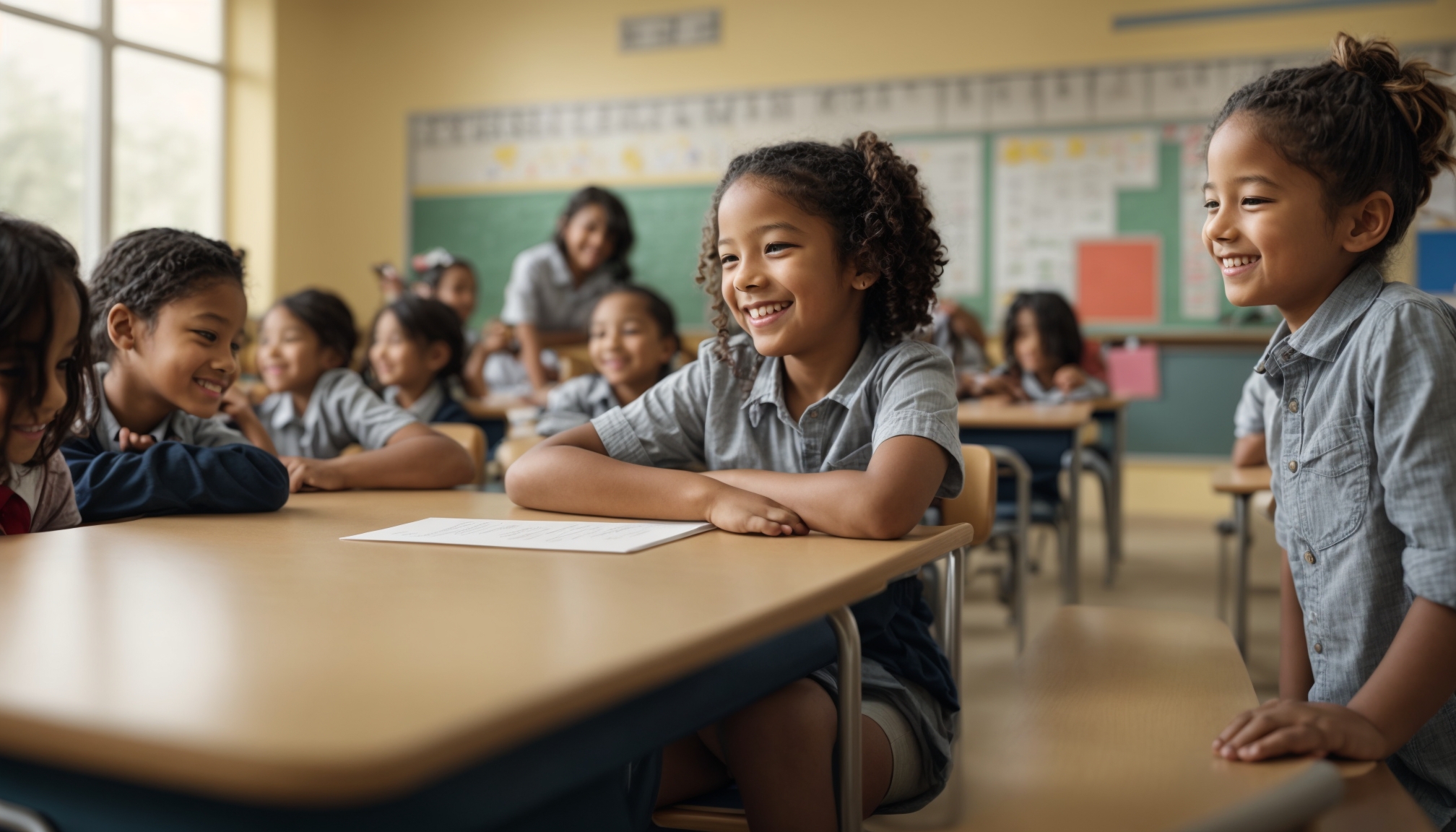
Teachers frequently observe that children who listen, take turns speaking, and follow directions learn more efficiently in the classroom. These daily classroom behaviors are part of a broader set of social skills that directly support learning. Students who can work in groups, ask for help, and accept correction often progress more steadily.
Cooperative learning projects, partner work, and discussions require students to negotiate roles and share ideas. In this context, social skills development benefits academic outcomes because children stay engaged and connected to lessons. They do not only absorb information from teachers but also from classmates.
On the other hand, children who struggle socially might avoid group activities or feel anxious about participating. This discomfort can reduce their willingness to ask questions and limit their learning opportunities. Supporting social growth, therefore, becomes a central part of supporting academic success.
Children’s friendships play a major role in their emotional wellbeing. Positive peer relationships can increase self-esteem and reduce feelings of loneliness. When children feel included and supported by peers, they are more willing to try new activities and handle challenges.
Emotionally healthy friendships often include moments of conflict. Learning to apologize, forgive, and compromise gives children practical tools to manage disagreements. Over time, these experiences strengthen resilience. The social skills development benefits in this area include better stress management and more stable moods.
Parents and teachers can watch for signs that a child feels isolated or frequently rejected. Early support, such as guided play, peer-buddy programs, or small group activities, can help children practice new ways of connecting with others in a safe environment.
Baca Juga: Penjelasan komprehensif tentang perkembangan sosial anak
Many employers highlight communication, teamwork, and problem-solving as top qualities in job candidates. These are extensions of the same abilities children start building in early childhood. When adults collaborate effectively, lead meetings, or negotiate projects, they rely on interpersonal skills learned years before.
Because of this, the social skills development benefits reach far beyond the playground or classroom. Children who practice leadership in group activities and learn to handle feedback develop confidence in professional settings later. They can adapt more easily to different work styles and cultures.
Networking, mentoring, and collaboration in the workplace all depend on the capacity to read others’ emotions, respond respectfully, and maintain mutual trust. Building those habits early positions children for broader opportunities and smoother career paths as adults.
Parents play a central role in modeling communication. When adults listen attentively, use respectful language, and manage conflicts calmly, children see effective behaviors in action. Simple routines such as family meals, shared games, and regular conversations create chances to practice turn-taking and empathy.
In the classroom, teachers can create structured opportunities for collaboration. Partner reading, group projects, and classroom meetings allow students to voice opinions and negotiate decisions. These settings highlight how social skills development benefits every member of the group by making cooperation smoother and more productive.
Role-play can also help children rehearse difficult situations, such as joining a new game, responding to teasing, or asking for help. Guided practice builds confidence so they feel ready when similar situations appear in real life.
Some children need extra support to build social skills. They may feel shy, easily overwhelmed, or unsure how to read body language and tone of voice. Gentle coaching can help them understand what others might be thinking or feeling in common situations.
Small steps often work best. Adults can encourage children to greet one peer each day or join a brief group activity. Over time, these manageable challenges accumulate into greater confidence. In many cases, the social skills development benefits become visible through more frequent invitations to play and fewer conflicts.
When challenges persist or significantly affect school performance or mood, consultation with school counselors or child development professionals can be helpful. Collaboration among families, teachers, and specialists provides consistent support across home and school.
Communities that value cooperation, respect, and empathy help children feel safe enough to practice new behaviors. Schools, families, and community groups can work together to create norms that reward kindness and responsible choices. In such environments, social skills development benefits become stronger for every child.
As children grow, they continue shaping their identity through every conversation and relationship. Strong social skills give them tools to navigate disagreements, adapt to change, and support others. Ultimately, social skills development benefits not only individual children but also the classrooms, workplaces, and communities they will lead in the future.