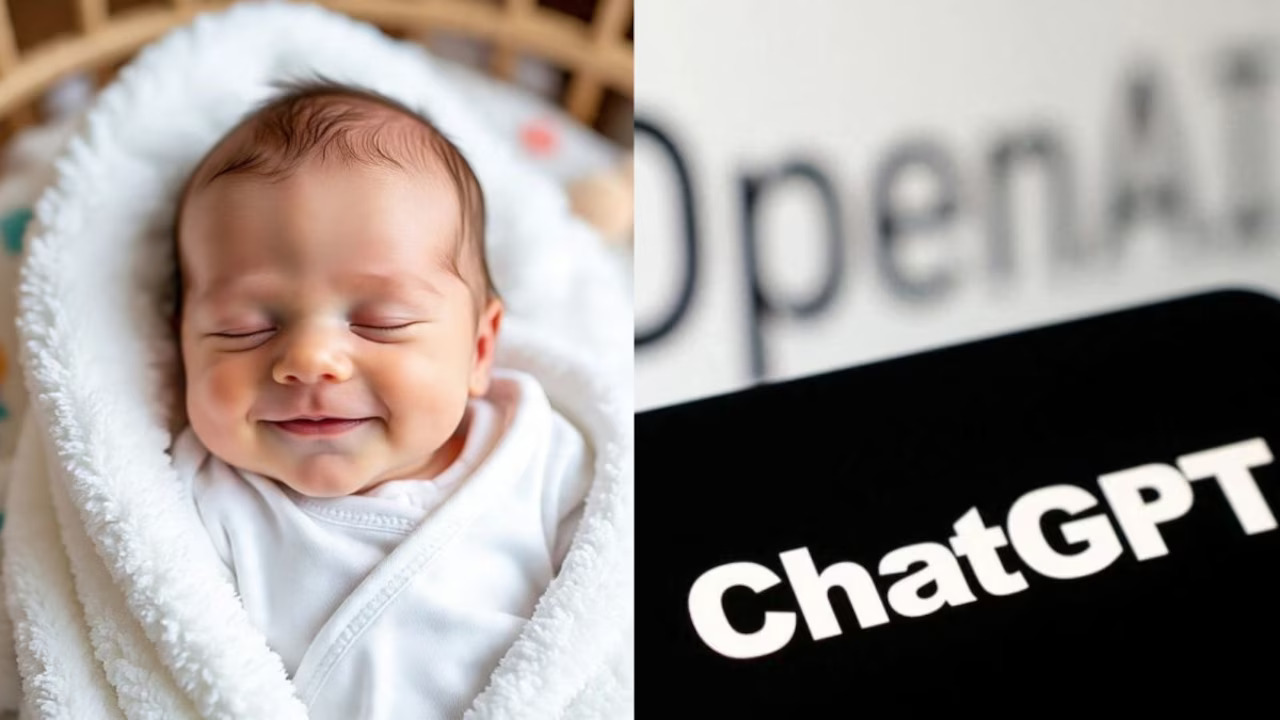
Unique! Baby in Colombia Named "Chat Yipiti" Inspired by AI
Casal dels Infants – A baby in the city of Cerete, Colombia, has been officially registered under the name Chat Yipiti Bastidas Guerra. The name was inspired by the world-renowned artificial intelligence (AI) model, ChatGPT. According to the parents, they chose the name as a tribute to the digital era, which increasingly shapes daily life.
The registration was completed at the Cerete Civil Registry Office on August 15, 2025. However, the unusual choice has sparked debate: should parents truly have unlimited freedom when naming their children?
Citing Colombia One (August 18, 2025), Colombian law grants parents broad freedom in choosing names for their children. Still, civil registry officials retain the authority to reject names considered offensive, derogatory, or harmful to a child’s dignity.
Despite the controversy, the name “Chat Yipiti” was officially accepted. Some view it as creative and original, while others dismiss it as nothing more than a joke.
Unique names are not new in Colombia. In recent years, several striking examples have been recorded, including:
Most of these names stem from celebrity influence, technological inspiration, or simply parents’ creative impulses.
This phenomenon is not exclusive to Colombia. In Japan, a trend of flashy or unconventional names, known as kirakira (meaning “sparkling”), has emerged. Examples include Nike, Pikachu, and Pudding. Eventually, the government placed restrictions to prevent parents from assigning excessively eccentric names that could harm children.
In the United States, naming regulations vary by state. For example, California only permits the use of the 26 letters of the Latin alphabet. A well-known case involved Elon Musk and Grimes, who named their child X Æ A-12 before modifying it to X Æ A-Xii to comply with legal requirements.
China has experienced a similar trend, with a 2018 study showing that unusual names are more common among girls than boys, reflecting different parental expectations. In Germany, authorities may reject names deemed offensive or harmful, such as “Borussia” (a football club name) and “Gastritis.”
Several countries impose strict naming laws. For example, New Zealand prohibits names containing official titles such as King or Prince, considering them inappropriate
This global phenomenon illustrates how parental creativity in naming children can serve as both cultural expression and a legal challenge. The case of “Chat Yipiti” in Colombia adds to the growing list of examples showing how technology now influences one of the most personal traditions: naming a child.
Casal dels Infants - Recent data from UNICEF indicates a 15% surge in anxiety among adolescents globally, revealing that academic…
Casal dels Infants - A recent longitudinal study involving 500 low-income families revealed that 70% of social aid initiatives fail…
Casal dels Infants, Barcelona - With child poverty rates in Spain remaining stubbornly high at 29.4% according to the latest…
Casal dels Infants - A comprehensive longitudinal study conducted across 12 districts reveals that holistic support systems increase household economic…
Casal dels Infants - Recent data from Eurostat (2023) indicates that nearly one in four children across the European Union…
Casal dels Infants - Recent studies indicate a significant disconnect between traditional disciplinary methods and the psychological needs of modern…