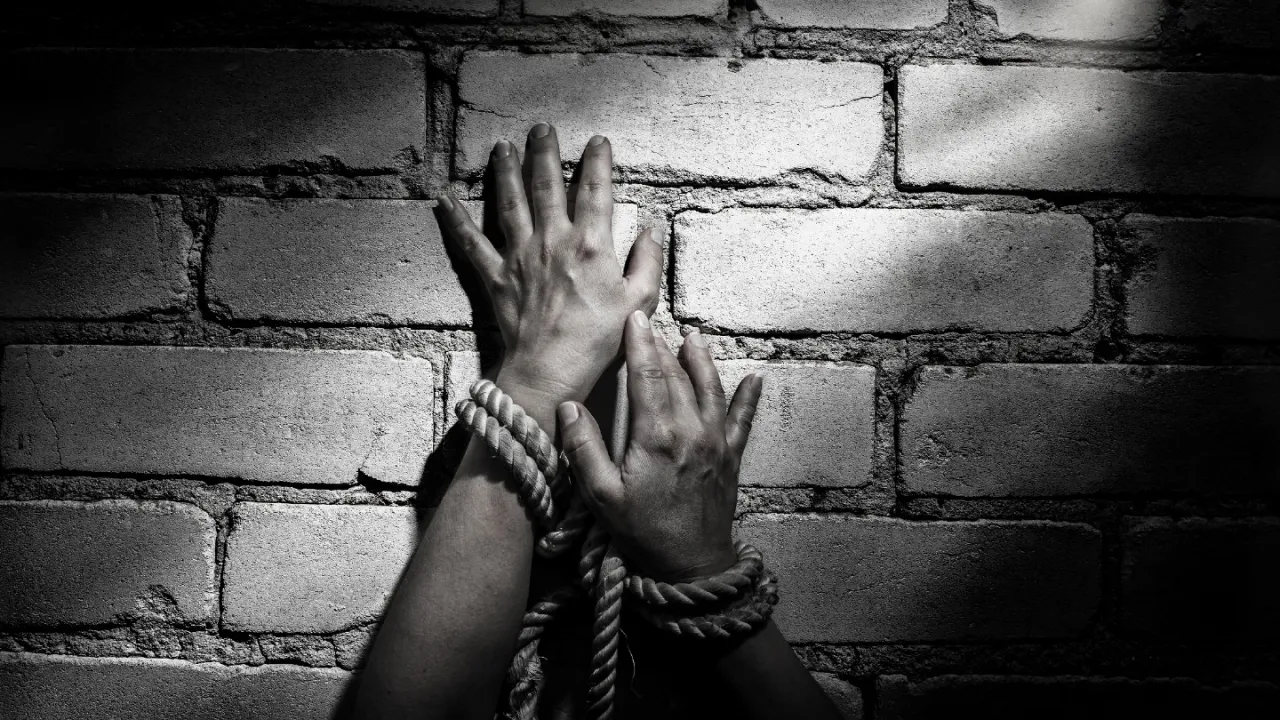
Why Are Most Human Trafficking Victims Women and Children?
Casal dels Infants – Human trafficking is one of the most alarming and rapidly growing forms of organized transnational crime in the world. Although anyone can become a victim, both global and national data show that women and children make up the majority of those trafficked. Why is this the case? Several key factors contribute to the vulnerability of these groups, making them the main targets of traffickers.
Gender inequality is a root cause of women’s vulnerability to human trafficking. In many countries, including Indonesia, women still face discrimination in various aspects of life, such as education, employment, and social rights. This systemic inequality, combined with limited access to education and economic opportunities, makes many women more likely to fall for seemingly promising job offers abroad or in distant regions, which often turn out to be traps set by human trafficking networks.
“Continue Reading: The Hidden Dangers of Mobile Phone Radiation for Children”
Additionally, patriarchal cultures that remain strong in many societies place women in a subordinate role in decision-making. This makes them more susceptible to manipulation and exploitation, including sexual exploitation, domestic servitude, and forced labor.
Children are easy targets for human traffickers because they are among the most vulnerable members of society and lack the ability to protect themselves. Many are lured with promises of education or work but end up in terrifying cycles of exploitation, child labor, forced begging, or even commercial sexual exploitation.
Family conditions also play a role. Children from impoverished families, broken homes, or those who have experienced domestic abuse are more easily manipulated by traffickers. In some cases, even parents, knowingly or unknowingly, allow their children to be taken in exchange for material promises.
Traffickers are becoming increasingly sophisticated in their methods. They exploit technology, social media, and fake employment agencies to trap victims. Women and children who are desperate for a better life are especially vulnerable. Many fall victim due to a lack of information and education about these schemes.
Preventing human trafficking, especially involving women and children, requires collaboration from all sectors. Governments must strengthen regulations and improve law enforcement. Meanwhile, educators and communities must inform the public about the dangers and tactics of trafficking. At the same time, women’s empowerment and child protection must become priorities in social policy.
Governments and communities can significantly improve the protection of vulnerable groups like women and children by raising awareness, providing education, and ensuring equal economic opportunities. These collective efforts can ultimately break the chain of human trafficking once and for all.
“Read More: Marc Marquez Wins in Germany with Aura Farming Celebration”
Casal dels Infants - Data from the UNICEF State of the World's Children 2024 report reveals a startling disconnect in…
Casal dels Infants - Recent data from UNICEF indicates a 15% surge in anxiety among adolescents globally, revealing that academic…
Casal dels Infants - A recent longitudinal study involving 500 low-income families revealed that 70% of social aid initiatives fail…
Casal dels Infants, Barcelona - With child poverty rates in Spain remaining stubbornly high at 29.4% according to the latest…
Casal dels Infants - A comprehensive longitudinal study conducted across 12 districts reveals that holistic support systems increase household economic…
Casal dels Infants - Recent data from Eurostat (2023) indicates that nearly one in four children across the European Union…