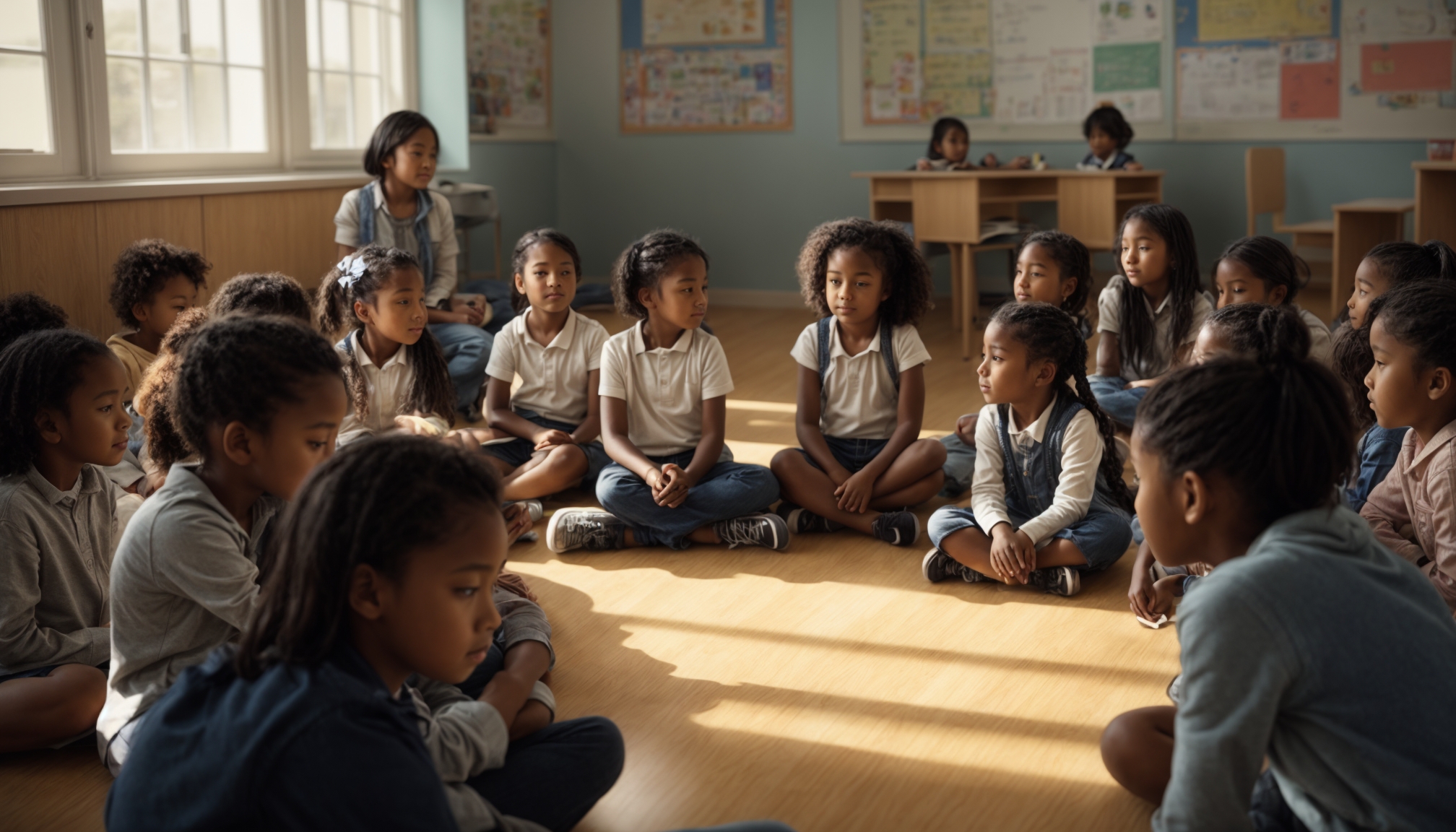
Casal dels Infants – Supporting Children and Families for a Better Future – Schools worldwide face rising anxiety, making child mental wellbeing education a critical pillar of every classroom.
Rates of anxiety, bullying, and social pressure keep increasing among students. Because of this, child mental wellbeing education should stand beside literacy and numeracy. When children feel safe and supported, they learn faster and stay engaged longer. However, many schools still treat emotional health as an optional add-on.
Supportive education focuses on the whole child. Teachers, parents, and counselors work together to notice early signs of distress. In addition, they provide tools to manage emotions, conflicts, and stress. This approach turns classrooms into safe spaces, not only exam rooms.
A healthy environment is the foundation of strong child mental wellbeing education. The physical space, rules, and adult behavior all send powerful signals. Children quickly sense whether they are valued and protected.
First, consistent routines reduce uncertainty and fear. Clear expectations and fair consequences help students feel secure. Second, open communication encourages children to share worries without shame. Teachers who listen with empathy build trust that lasts beyond one school year.
On the other hand, harsh discipline, public shaming, and constant comparison damage confidence. Supportive education replaces fear-based control with firm but kind boundaries. As a result, students learn responsibility without losing dignity.
Teachers spend more waking hours with children than many parents. Because of that, they stand at the center of effective child mental wellbeing education. A teacher’s tone, body language, and daily choices can either calm or trigger students.
Simple habits make a huge difference. Greeting each student by name builds a sense of belonging. Checking in briefly on mood at the start of class reveals who may need extra support. Even short breathing exercises before tests can lower class-wide stress.
Nevertheless, teachers cannot act as therapists. Their role is to notice changes, offer initial support, and collaborate with professionals when needed. Training on trauma-informed and inclusive practices helps them respond appropriately.
Supportive education becomes real through daily routines. Child mental wellbeing education should live inside lessons, not just special events. Teachers can integrate simple, evidence-based practices into any subject.
These strategies lower tension and boost focus. After that, students often show better behavior and improved academic performance. Child mental wellbeing education, when embedded like this, feels natural rather than forced.
No school can succeed alone. For child mental wellbeing education to be effective, parents and guardians must join the effort. Children feel confused when school messages clash with home expectations.
Schools can host workshops on stress, sleep, and digital habits. In addition, newsletters and online platforms can share simple tips for supportive communication at home. Parents who understand warning signs of distress are more prepared to seek help early.
Read More: How to talk with children about mental health concerns safely
When families and teachers speak the same emotional language, children receive consistent support. This alignment strengthens the impact of child mental wellbeing education inside and outside the classroom.
Bullying and social exclusion remain major threats to healthy child mental wellbeing education. Teasing, rumor-spreading, and online harassment can quietly erode self-worth. Therefore, schools need clear, enforced anti-bullying policies.
Students should learn empathy, assertive communication, and bystander skills. Role-play activities help them practice safe responses. Meanwhile, digital citizenship lessons teach them to manage social media pressure and online conflicts.
Supportive education also recognizes that some groups face added risks. Children with disabilities, minority backgrounds, or different identities often face more stigma. Inclusive practices and representation in materials signal that every child belongs.
Early signs of trouble may include sudden silence, frequent anger, or falling grades. Child mental wellbeing education trains adults to notice these patterns. Quick action prevents small problems from turning into crises.
School counselors and psychologists provide assessment and targeted support. In addition, they train teachers on appropriate classroom responses. Referral systems connect families with external services when needed.
A clear protocol keeps everyone calm when a student shows serious distress. Because roles are defined, staff respond consistently and respectfully. As a result, children experience care instead of chaos during vulnerable moments.
The most powerful approach is weaving mental health into everyday learning. Child mental wellbeing education should appear in stories, projects, and discussions across subjects.
In language classes, students can read about characters handling fear or grief. In science, they can explore how sleep and nutrition affect the brain. Social studies can highlight community care and resilience during crises. This integrated method normalizes emotional talk.
Furthermore, project-based learning encourages problem-solving and collaboration. These experiences build confidence and coping skills. Over time, students see themselves as capable, not helpless, in the face of challenges.
Baca Juga: child mental wellbeing education
Strong, consistent child mental wellbeing education prepares students for life, not only exams. It teaches them to understand feelings, set boundaries, and seek help without shame. Supportive education also helps adults reflect on their own emotional habits.
When schools place emotional safety beside academic goals, the entire community benefits. Teachers feel less burnout, parents feel more connected, and children feel truly seen. Ultimately, child mental wellbeing education is not a luxury program. It is a core responsibility of every modern school and a practical path toward a more compassionate society.