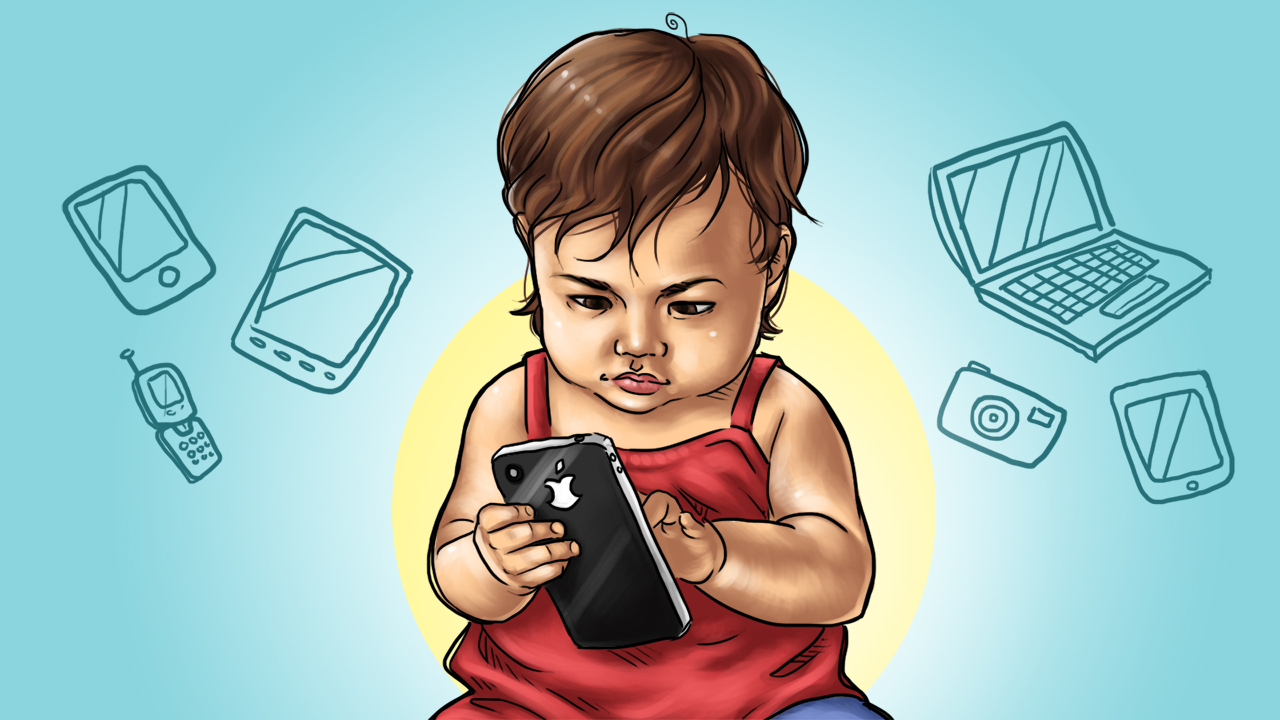
Singapore PM Urges Parents: Don’t Use Phones to Calm Children
Casal dels Infants – Singapore PM, Lawrence Wong, has urged parents not to rely on mobile phones as a quick fix to calm their children. Speaking at the National Day Rally (NDR) 2025, he highlighted the growing trend of early gadget exposure, which could potentially disrupt children’s growth and development.
“For babies and toddlers, the science is clear: no screen time at all. We must not use phones as a ‘babysitter’ just to keep children quiet or occupied,” Wong stressed during his speech at ITE College Central.
He emphasized that babies and toddlers who become accustomed to screens risk losing meaningful interactions with their surroundings. If unchecked, this can hinder emotional development, social skills, and even lower children’s self-confidence.
According to Singapore PM, excessive gadget use not only isolates children from the real world but also increases the risk of exposure to harmful content. Such conditions may lead to mental health problems, including anxiety and depression.
“Continue Reading: Dream Jobs of Generation Alpha, Scientists, Gamers, and Digital Celebrities”
Limited face-to-face interaction can also make it harder for children to build healthy relationships with peers. Childhood, Wong reminded, is a crucial stage to develop social skills, empathy, and emotional regulation.
Singapore is currently studying potential regulations to limit internet and social media access for children. This move aligns with policies already in place in countries such as the United States, the United Kingdom, and China.
These countries have introduced measures such as minimum age requirements for social media accounts and restricted screen hours for children playing online games. Wong said Singapore will examine these experiences before considering similar policies at home.
In addition, the Ministry of Health has already issued official guidelines on gadget use through the Grow Well SG program launched in February 2025. The initiative is part of a national health strategy aimed at encouraging children and teenagers to adopt healthier lifestyles.
Beyond limiting screen time, Wong encouraged parents to promote more outdoor and physical activities for their children. He noted that real-life experiences are far more valuable than digital interactions.
“Let children explore, stumble, and rise again. That’s how they learn to be confident in the real world, not just on a screen,” Wong said.
Activities such as playing in parks, exercising, and socializing with peers are considered essential for strengthening children’s physical health, mental well-being, and social skills.
While children using gadgets has become commonplace in today’s digital era, experts emphasize the importance of setting boundaries and providing supervision.
Child and Family Psychologist Ayoe Sutomo recommends:
Meanwhile, Alif Aulia Masfufah, psychologist and founder of the Indonesian “Love Yourself Foundation,” suggests that gadgets should not be used in private bedrooms. “It’s better in the living room, where everyone can see what the child is watching or playing. That way, gadgets don’t become too personal,” she explained.
PM Wong’s message echoes the views of psychologists: while gadgets are an inseparable part of modern life, their use must be controlled, limited, and closely supervised.
By setting screen time boundaries and encouraging children to engage actively in the real world, parents can support healthier growth. The younger generation is then expected to develop better physically, mentally, and socially.
“Read More: Officially Married! Kim Jong Kook Surprises Fans with an Unexpected Message”
Casal dels Infants - a pilot program launched this week in Barcelona aims to equip children and their families with…
Casal dels Infants - a pilot program in Jakarta has reduced school dropout rates by 22% among participating families, according…
Casal dels Infants - Community centers across Europe are quietly rewriting the rules of early learning, and the numbers behind…
Casal dels Infants - Over 67% of internationally funded child welfare interventions lose momentum within three years when local stakeholders…
Casal dels Infants - Data from the UNICEF State of the World's Children 2024 report reveals a startling disconnect in…
Casal dels Infants - Recent data from UNICEF indicates a 15% surge in anxiety among adolescents globally, revealing that academic…