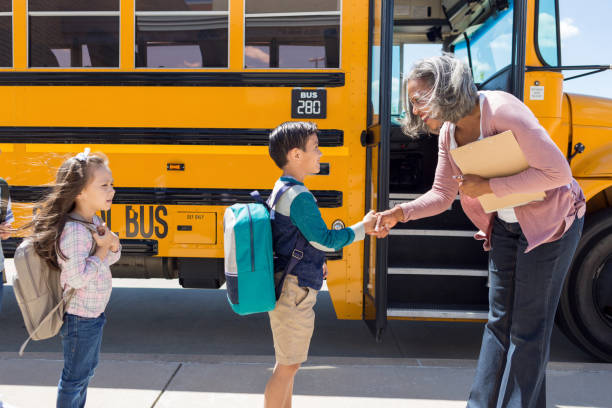
Casal dels Infants – The Values of Politeness is essential to be applied in social life, and it should be instilled in children from an early age. Teaching children about politeness not only helps them interact well within society but also shapes their character into individuals who are respectful. Several values of politeness that should be taught to children early on will help them grow into good, empathetic individuals capable of building healthy relationships.
One of the most fundamental values of politeness is saying greetings. Teaching children to always say “good morning,” “good afternoon,” or “good evening” to others is a simple yet important way to show respect. Additionally, teaching children to greet older individuals or peers is a form of respect and attention to others. By saying greetings, children learn to start interactions in a friendly and respectful manner.
“Read More: Depression in Women, Why Are They More Vulnerable Than Men?”
Teach children words like “please,” “thank you,” “sorry,” and “excuse me” from an early age. Using these polite words shows that children value others and care about their feelings. Children who regularly use polite language build better relationships with people around them, whether at home, school, or in the community.
Teaching children to listen attentively when others are speaking is another important value of politeness. This shows that children respect the opinions of others and are not in a hurry to interrupt. Teaching children to focus during communication also trains them to be more empathetic and sensitive to the feelings of others. This is a fundamental value in building good communication and mutual respect.
Teaching children to respect older individuals is a significant aspect of politeness. Teach children to greet adults and offer them their seat. Encourage them to respect the opinions of parents, teachers, and community elders. By respecting older individuals, children learn to appreciate their experiences and wisdom, fostering a deep sense of respect towards them.
Politeness also includes maintaining personal cleanliness and the cleanliness of the surrounding environment. Teaching children to always keep their bodies, clothes, and living spaces clean is part of good manners. Additionally, children should be taught not to litter and to care for public facilities. This habit of maintaining cleanliness helps children grow into responsible individuals who value their environment.
Teaching children to share with friends is also an essential value of politeness to instill from an early age. Children who are used to sharing food, toys, or their time with friends will grow into more empathetic and caring individuals. The value of sharing helps children build positive and harmonious social relationships with those around them.
“Continue Reading: Down Syndrome, Embracing Genetic Differences”
Casal dels Infants - A recent UN report revealed that 1.2 billion children worldwide still lack basic legal protection, highlighting the…
Casal dels Infants - a pilot program launched this week in Barcelona aims to equip children and their families with…
Casal dels Infants - a pilot program in Jakarta has reduced school dropout rates by 22% among participating families, according…
Casal dels Infants - Community centers across Europe are quietly rewriting the rules of early learning, and the numbers behind…
Casal dels Infants - Over 67% of internationally funded child welfare interventions lose momentum within three years when local stakeholders…
Casal dels Infants - Data from the UNICEF State of the World's Children 2024 report reveals a startling disconnect in…